How a backwater valve works
Your home's main drain carries wastewater out to the municipal sewer. During heavy rain or snowmelt, that sewer can fill up faster than it drains. When it does, sewage can flow backwards up your main line and out of the lowest opening in your home, usually a basement floor drain.
A backwater valve sits on the main line and has a flap that stays open during normal use. When water starts flowing the wrong way, the flap closes and seals the pipe, keeping sewage out of your basement.
Should you get one?
A backwater valve is worth considering if any of these apply to your home:
- You have a finished basement, or plan to finish it
- There's a floor drain, toilet, shower or laundry in the basement
- Your basement has backed up before
- Your street or neighbourhood floods during big storms
- You're not sure whether your home already has one
What installation involves
- Assessment & free estimate. We find your main sewer line and confirm the best spot for the valve.
- Permit. Most municipalities require a plumbing permit for this work. If you're applying for a city subsidy, get approval before we start.
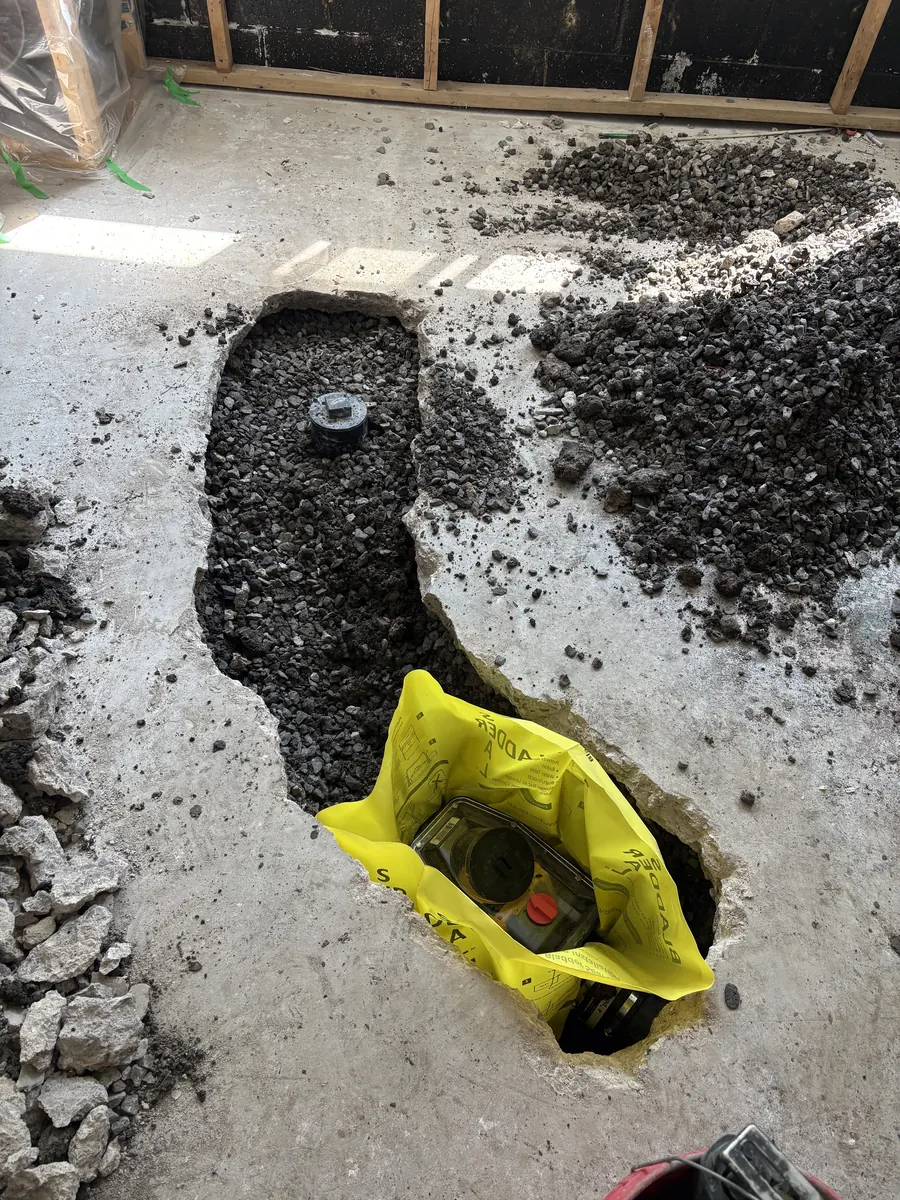
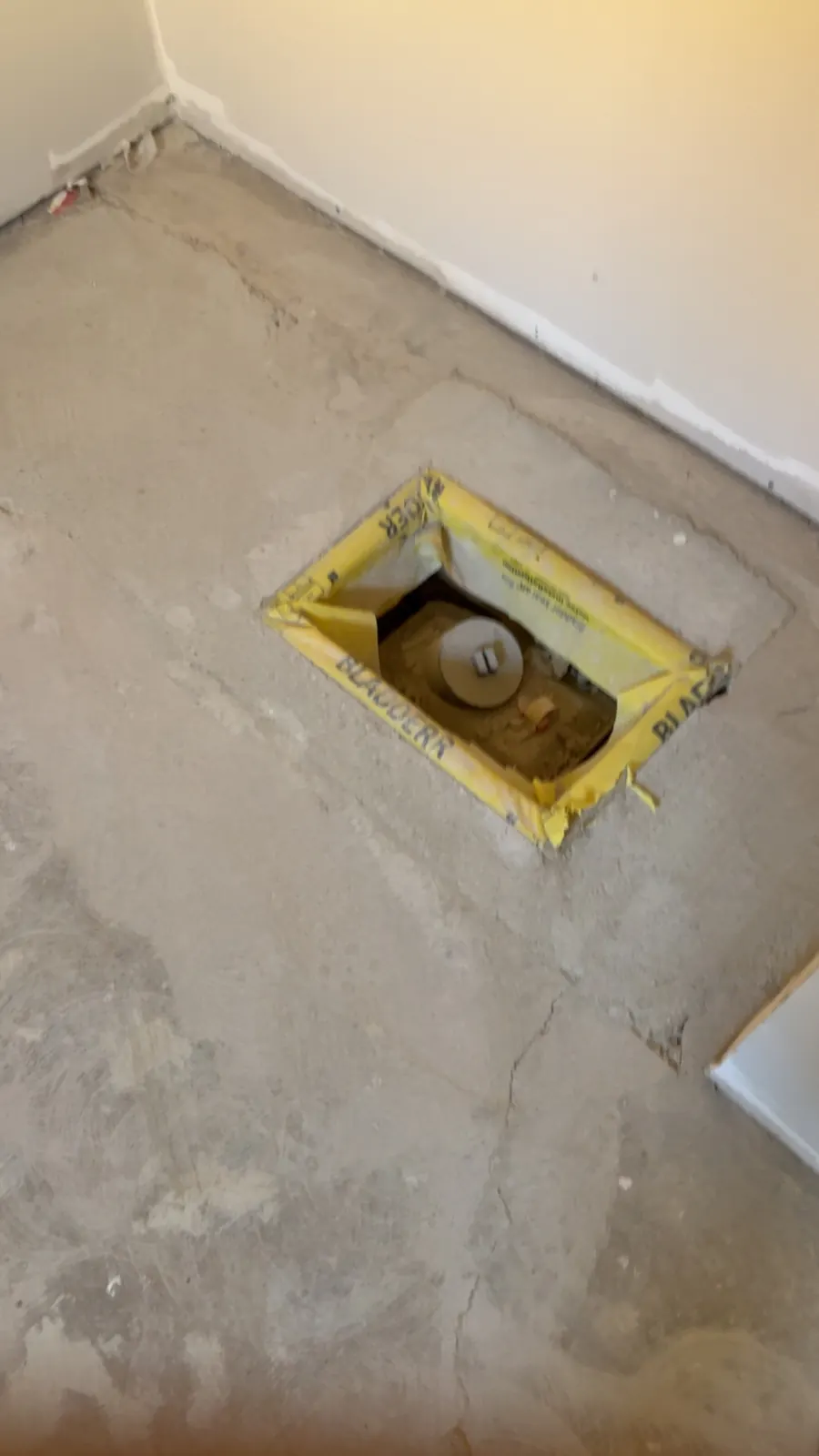
- Installation. We open the basement floor at the main line, install the valve with an access cover so it can be serviced, and restore the floor.
- Inspection & walkthrough. The work is inspected, and we show you how to check and clean the valve yourself.
Check for a rebate first. Many Ontario cities run basement flooding protection programs that help pay for backwater valves. Rules vary, and most need approval before the work is done.
Keeping your valve working
- Check it at least once a year, ideally before spring rain season
- Make sure the flap moves freely and there's no debris in the valve
- Keep the access cover clear so it's easy to reach
- During a heavy storm, go easy on water use in the house